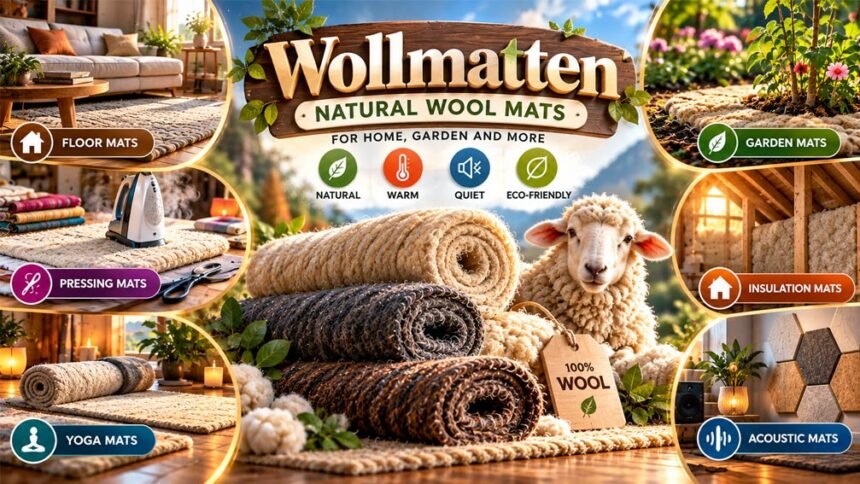
Wollmatten are mats made fully or partly from wool. The word comes from German and means wool mats.
Wollmatten are not only floor mats. They can also be used in gardens, homes, buildings, sewing, yoga, and other activities.
People often search for Wollmatten to learn what they are, how they work, and where they can be used. This guide explains their types, uses, benefits, problems, care, and other important details.
What Are Wollmatten?
Wollmatten is the German word for wool mats. Wolle means wool, while Matten means mats. One wool mat is called a Wollmatte.
Wollmatten is not the name of a company or brand. It is a general name for different types of mats made fully or partly from wool.
Most Wollmatten use sheep’s wool. However, not every mat is made from 100% wool.
Some products also contain cotton, synthetic fibers, glue, backing, dyes, or other materials. For example, a rug may have a wool surface but a synthetic backing.
This means a label such as 100% wool pile may only describe the top part of the mat.
Wollmatten can also have very different uses. Some are soft rugs for homes. Others are firm mats for sewing, gardening, yoga, sound control, or building insulation.
For this reason, it is important to check what type of Wollmatte you are buying.
How Are Wollmatten Made?
The way Wollmatten are made depends on their purpose.
The process usually starts by shearing sheep. The wool is collected and sorted. Raw wool can contain dirt, natural oils, and pieces of plants, so it normally needs to be cleaned.
After cleaning and drying, the wool may be carded. Carding separates and organizes the fibers.
The wool can then be made into mats in different ways.
Felting joins wool fibers together to create a thick and firm sheet. Felt is often used for pressing mats, craft mats, protective pads, and some garden mats.
Needle-punching uses special needles to join the fibers together. It can create strong sheets without weaving the wool.
Weaving joins wool yarn together in a regular pattern. It is commonly used for rugs and floor mats.
Tufting pushes wool yarn through a base material. Another layer may be added to the back to hold everything together.
Hand-knotting uses individual knots to create the surface of a rug. This method is often used for detailed wool rugs.
After the main mat is made, it may be cut to size, dyed, given finished edges, or fitted with backing.
The exact process depends on what the Wollmatte will be used for.
How Do Wool Mats Work?
Wool has several natural properties that make it useful for mats.
Wool fibers have a natural wave called crimp. Small spaces form between the fibers, and these spaces can hold air.
Trapped air helps slow down the movement of heat. This is one reason wool feels warm and can be used for insulation.
However, not every wool mat provides the same level of insulation. A thin floor mat cannot work like proper building insulation.
Wool is also flexible. Its fibers can bend and then return close to their original shape. This can help a good wool mat keep its shape during normal use.
Wool can also take in moisture vapor from the air and release it later when conditions change.
This does not make wool waterproof. A wet Wollmatte can take a long time to dry. Staying wet may cause smells, stains, shape changes, or damage.
Wool fibers can also absorb some sound. A wool rug may make a room feel less echoey. Special acoustic wool products can provide better sound control.
Wool also reacts differently to fire than many synthetic fibers. It usually chars instead of melting. However, this does not mean every wool mat is fireproof.
Main Types of Wollmatten
There are several types of Wollmatten. Each one has a different purpose.
Wool Floor Mats and Rugs
Wool floor mats are used in bedrooms, living rooms, hallways, offices, and other indoor spaces.
They provide softness, warmth, decoration, and protection for the floor.
Some are thin and firm, while others are thick and soft. Dense mats may work better in busy areas. Softer mats can be comfortable in bedrooms and quiet spaces.
Some wool rugs also have cotton, rubber-like, or synthetic backing.
Felt and Utility Mats
Felt Wollmatten are made by joining wool fibers into a dense sheet.
They can be used on tables, desks, shelves, benches, and under furniture.
These mats can help protect surfaces from scratches. They are also useful for crafts and other work that needs a soft but firm surface.
Wool Pressing Mats
Wool pressing mats are commonly used for sewing and quilting.
They provide a firm surface for pressing fabric, seams, and quilt pieces with an iron.
Wool can hold heat around the fabric. However, some heat and moisture may pass through the mat.
It is important to follow the product instructions and protect the table underneath when needed.
Yoga and Meditation Mats
Wool mats can also be used for yoga, meditation, stretching, and relaxation.
They feel warm and provide cushioning on hard or cold floors.
They can work well for meditation, Yin yoga, Yoga Nidra, restorative yoga, and other slow activities.
However, soft wool may not provide enough grip for fast or sweaty yoga. Check the grip and firmness before using one for active exercise.
Garden Wool Mats
Garden Wollmatten are placed on top of soil.
They can be used around plants, trees, shrubs, and garden beds.
The mat blocks some sunlight from reaching the soil. This can help reduce the growth of some weeds.
It can also cover exposed soil and help slow water loss.
Natural wool can slowly break down in the soil. As it breaks down, nutrients in the wool, such as nitrogen and sulfur, may return to the surrounding soil.
How quickly this happens depends on the weather, soil, moisture, mat thickness, and other conditions.
Only use wool mats made for gardening. Normal rugs may contain glue, dyes, plastic backing, or other materials that are not made for soil.
Wool Insulation Mats
Some Wollmatten are made for building insulation.
They may come as mats, rolls, or thick sections called batts. They can be used in suitable walls, roofs, floors, ceilings, and other building areas.
The wool fibers trap air and help slow heat movement.
How well they work depends on their thickness, density, installation, and tested performance.
Building insulation must also meet local rules for things such as fire safety and moisture control.
A normal wool rug should never be used instead of proper building insulation.
Acoustic Wool Mats and Panels
Some wool products are made to control sound.
Hard surfaces such as tile, glass, and concrete reflect sound. Soft and fibrous materials can absorb some of this sound.
Wool rugs can therefore help reduce echoes inside a room.
Special acoustic wool panels and mats may be used in offices, studios, meeting rooms, and home cinemas.
However, sound absorption is not the same as soundproofing. A wool mat may reduce echoes, but it cannot completely stop sound from moving between rooms.
Common Uses of Wollmatten
Wollmatten have many uses because wool can provide warmth, cushioning, and insulation.
In homes, wool mats can cover hard floors such as wood, tile, stone, or laminate. They make the surface softer and can add warmth to a room.
Felt mats can protect desks, tables, shelves, and furniture from scratches.
Wool pressing mats are useful for sewing and quilting.
Wool mats can also provide a warm surface for meditation and gentle yoga.
Garden Wollmatten can cover soil, help control some weeds, and slow moisture loss.
Building-grade wool products can be used for heat insulation. Special acoustic wool products can help reduce echoes and improve sound inside a room.
The correct Wollmatte depends on what you need it to do.
Benefits of Wollmatten
Wollmatten have several useful benefits.
Wool feels soft and comfortable underfoot. It can make hard floors more pleasant to walk or sit on.
Its fibers trap air, which helps provide warmth. Proper wool insulation can also help slow heat movement through parts of a building.
Wool can absorb some sound. This can help reduce echoes in rooms with many hard surfaces.
Wool fibers are also flexible and strong. Good-quality mats can recover from normal pressure and keep their shape when properly cared for.
Wool can take in and release moisture vapor from the air. However, this does not make it waterproof.
Another benefit is that wool is a renewable natural material. Sheep grow new fleece after they are shorn.
Pure untreated wool can also break down naturally under the right conditions.
However, the whole mat may not be biodegradable if it contains synthetic backing, glue, coatings, or other materials.
Drawbacks and Limitations
Wollmatten are not suitable for every situation.
Good-quality wool mats can cost more than basic synthetic mats.
Some new wool mats may also shed fibers. A small amount of shedding can be normal, but heavy shedding that continues may be a sign of poor construction or incorrect cleaning.
Not all wool feels soft. Coarse wool can feel rough, especially for people with sensitive skin.
Cleaning also needs care. Too much water, hard scrubbing, strong chemicals, or incorrect washing can damage wool.
Wollmatten are not waterproof. Leaving them wet for a long time can cause smells, stains, or damage.
Wool can also be damaged by some textile insects, especially when it is stored dirty for a long time.
Strong sunlight may fade some colors.
A wool surface also does not mean the whole mat is natural or biodegradable. The backing and other added materials must also be checked.
Wollmatten should not automatically be called waterproof, fireproof, stain-proof, mold-proof, or hypoallergenic. These features depend on the individual product.
Wollmatten vs Synthetic Mats
Wool and synthetic mats both have advantages.
Synthetic mats may be made from polyester, polypropylene, nylon, acrylic, foam, or similar materials.
Many synthetic mats cost less than wool mats. Some are also easier to clean and better suited to wet or messy areas.
Wollmatten usually feel warmer and more natural. Wool is also flexible and can absorb some sound.
Pure untreated wool can break down naturally, while many common synthetic fibers remain in the environment much longer.
However, wool also has an environmental impact. Sheep farming, manufacturing, dyes, transport, and other parts of production all use resources.
Neither material is best for every situation.
Wool may be better when warmth, comfort, and natural texture are important. Synthetic materials may be better when easy washing, moisture resistance, or a lower price is more important.
Wollmatten vs Cotton Mats
Cotton and wool mats are both made from natural fibers, but they work differently.
Cotton mats are usually soft, light, and flexible. Many are also easier to wash at home.
Cotton can absorb water quickly. Some cotton mats may also become flat faster than dense wool mats.
Wollmatten usually provide more warmth. Good wool also has natural flexibility that can help it keep its shape.
Cotton can be useful when easy washing is important. Wool can be useful when warmth, cushioning, and texture are more important.
Always check the backing and care instructions before buying either type.
Wool Insulation vs Other Insulation Materials
Sheep-wool insulation is one of many building insulation options.
Other common materials include fiberglass, mineral wool, cellulose, and foam boards.
Fiberglass and mineral wool are widely used for building insulation. Cellulose is often made mainly from recycled paper. Foam boards provide firm insulation for different parts of a building.
Sheep’s wool is flexible and comes from a renewable source. Its fibers trap air and can help slow heat movement.
However, wool is not automatically the best choice for every building.
Price, thickness, moisture, fire performance, pest protection, local availability, and insulation performance should all be considered.
Always compare tested product information and follow local building rules when choosing insulation.
Garden Wollmatten vs Other Ground Covers
Garden Wollmatten are one option for covering soil.
Other choices include bark, straw, cardboard, compost, and landscape fabric.
Bark and straw create a loose cover over the soil. Compost can cover the surface while adding organic material. Cardboard can work as a temporary layer.
Landscape fabric can provide longer-lasting coverage, depending on the material.
Wool garden mats can be useful when you want a natural cover that will slowly break down.
They may reduce some weed growth and slow moisture loss. However, they will not permanently stop all weeds.
The best choice depends on your plants, soil, climate, budget, and how long you want the ground cover to last.
Are Wollmatten Environmentally Friendly?
Wollmatten can have environmental benefits, but not every product is the same.
Wool is renewable because sheep grow new fleece after shearing. Pure untreated wool can also break down naturally under suitable conditions.
However, a Wollmatte may contain plastic backing, synthetic fibers, glue, dyes, coatings, or other materials. These can make the whole product harder to recycle or biodegrade.
Sheep farming also uses land and resources. Wool then needs to be cleaned, processed, made into products, packaged, and transported.
How long the product lasts also matters. A strong wool mat that lasts for many years may need to be replaced less often.
Buyers can check where the wool comes from, what other materials are used, how the mat is made, and what can be done with it after it is no longer needed.
Some certifications can also provide useful information.
The Responsible Wool Standard (RWS) covers areas such as animal welfare, land management, social requirements, and tracking wool through the supply chain.
The Global Recycled Standard (GRS) can be useful for products containing recycled wool. It helps verify recycled content and covers some processing requirements.
A product being natural does not automatically mean it has no environmental impact.
How to Choose the Right Wollmatte
First, decide what you need the mat for.
A bedroom rug needs different features from a garden mat, yoga mat, pressing mat, or building insulation product.
For a floor mat, measure the space before buying. Think about furniture, doors, and walking areas.
Busy areas usually need a stronger and denser mat. A bedroom can use something softer and thicker.
Check the complete material information. Look at the wool percentage, backing, glue, coatings, dyes, and other fibers.
Also check thickness and density.
For yoga, look at grip, firmness, and cushioning.
For garden mats, check the material, thickness, water flow, and how long the mat is expected to take to break down.
For insulation, check tested thermal performance, fire information, moisture needs, pest protection, and installation instructions.
Always read the care instructions before buying.
How to Use Wollmatten Correctly
Use each Wollmatte for the purpose it was made for.
For floor mats, start with a clean and dry floor. Make sure the mat lies flat and does not create a trip risk.
A rug pad or non-slip layer may help on smooth floors.
Do not use a normal indoor wool rug in an area that stays wet unless it is made for that purpose.
For garden use, remove large weeds and prepare the soil before placing the mat.
Cut openings around plants when needed. Do not place the material tightly against plant stems or tree trunks.
Secure the mat if wind could move it.
Building insulation should be installed according to its instructions. Gaps or too much compression can reduce how well it works.
Never use a normal decorative wool rug as building insulation.
How to Clean Wollmatten
Cleaning depends on the type of Wollmatte.
For floor mats, vacuum gently to remove dust, hair, and dirt. Use a vacuum setting that is suitable for the mat.
Clean spills quickly. Blot the liquid with a clean cloth instead of rubbing it.
If you need a cleaning product, choose one that is safe for wool. Test it on a hidden area first when possible.
Do not assume every wool mat can be washed.
Too much water can cause shrinking, shape changes, color problems, or damage to the backing.
If a Wollmatte becomes wet, dry it properly.
Large, valuable, handmade, or very dirty wool rugs may need professional cleaning.
Always follow the care label first.
How to Store Wollmatten
Clean and dry a Wollmatte before storing it.
Do not store it while it is damp. Moisture can cause smells, stains, or other damage.
Large mats are often better rolled instead of tightly folded. Folding can leave strong marks or creases.
Store the mat in a clean and dry place away from leaks, high humidity, and direct sunlight.
Use suitable wrapping to protect it from dust. Do not wrap a damp mat.
Check stored wool from time to time for insects or moisture.
Follow the manufacturer’s storage instructions when available.
Common Wollmatten Problems and Mistakes
Buying the Wrong Type
Not every Wollmatte is made for the same job.
Solution: Decide how you will use the mat before buying it.
Thinking the Whole Mat Is Pure Wool
Some products have a wool surface but use other materials underneath.
Solution: Check the complete material list, including the backing and glue.
Using Wollmatten in Wet Areas
Normal wool mats are not waterproof.
Solution: Keep ordinary wool mats away from areas that stay wet. Dry them quickly if they become wet.
Rubbing Stains
Hard rubbing can spread a stain or damage the fibers.
Solution: Gently blot spills with a clean cloth.
Washing a Mat That Is Not Washable
Water can damage wool, dyes, glue, or backing.
Solution: Read the care label before washing.
Excessive Shedding
Some new wool mats can shed a small amount of fiber. Heavy shedding that continues may show a problem.
Solution: Clean the mat gently and contact the seller if heavy shedding continues.
Uneven Fading
Strong sunlight can fade some wool colors.
Solution: Rotate the mat when possible and reduce strong direct sunlight.
Problems During Storage
Dirty or wet wool can develop smells or attract textile insects.
Solution: Clean and fully dry the mat before storing it.
Poor Insulation Installation
Gaps or too much compression can make insulation less effective.
Solution: Follow the correct installation instructions.
Expecting Complete Soundproofing
Wool can absorb some sound, but it cannot completely soundproof a room.
Solution: Use proper soundproofing materials and design when you need to stop sound moving between rooms.
Expecting Complete Weed Control
Garden Wollmatten may reduce weeds, but they cannot stop every weed.
Solution: Remove larger weeds first and install the garden mat correctly.
How Long Do Wollmatten Last?
There is no single lifespan for every Wollmatte.
A wool floor rug and a garden wool mat are made for different purposes.
A good floor mat can remain useful for many years when it is properly cared for. Its lifespan depends on the quality of the wool, construction, backing, foot traffic, sunlight, moisture, and cleaning.
Garden Wollmatten are often designed to break down naturally.
How quickly they break down depends on their thickness, material, weather, moisture, soil, and microorganisms.
This means faster breakdown is not always a problem for a garden mat.
Building insulation has a different expected lifespan. Check the manufacturer’s information for the specific product.
Are Wollmatten Worth Buying?
Wollmatten can be worth buying when their features match your needs.
A good wool floor mat can provide warmth, comfort, texture, and some sound absorption. It may cost more at first, but a well-made product can provide long-term use when cared for correctly.
Technical Wollmatten should be judged differently.
Wool insulation should be chosen based on tested insulation performance, fire requirements, moisture needs, installation, and price.
Garden mats should be compared by material, thickness, coverage, and how quickly they are expected to break down.
Yoga and meditation mats should provide the right amount of cushioning and grip.
Synthetic mats may be a better choice when you need frequent washing, strong moisture resistance, or a lower price.
The best choice depends on what you need the mat to do.
Bottom Line
Wollmatten simply means wool mats, but the term covers many different products.
They can be floor rugs, felt mats, pressing mats, yoga and meditation mats, garden covers, insulation, or acoustic products.
Wool provides warmth, cushioning, flexibility, and some sound absorption. Pure untreated wool can also break down naturally.
However, Wollmatten also have limits. Some are expensive, some shed fibers, and many need careful cleaning. Normal wool mats are also not waterproof.
Before buying, check the wool content, backing, construction, thickness, size, care instructions, and intended use.
Most importantly, choose the right Wollmatte for the job. A garden mat, floor rug, and building insulation product may all contain wool, but they are made for very different purposes.
Frequently Asked Questions
What does Wollmatten mean?
Wollmatten is a German word that means wool mats. One wool mat is called a Wollmatte.
Are Wollmatten made from 100% wool?
Not always. Some are pure wool, while others also contain synthetic materials, glue, dyes, or backing.
Can Wollmatten get wet?
Wollmatten can handle a little moisture, but they are not waterproof. They should not stay wet for a long time.
Can Wollmatten be washed?
Some Wollmatten can be washed, but others cannot. Always check the care label before washing.
Are Wollmatten good for yoga?
Yes, they can be comfortable for meditation and slow yoga. For active yoga, check that the mat has enough grip.
Can Wollmatten be used in gardens?
Yes. Garden Wollmatten can cover soil, reduce some weeds, and help keep moisture in the soil.
Are Wollmatten good for insulation and sound absorption?
Yes. Special wool mats can help keep heat in and reduce some sound. Normal wool rugs are not building insulation.
Are Wollmatten biodegradable?
Pure untreated wool can break down naturally. Mats with plastic, glue, or synthetic materials may not fully biodegrade.
More To Explore:
MataRecycler Review: Features, Benefits, Uses, and Limitations